
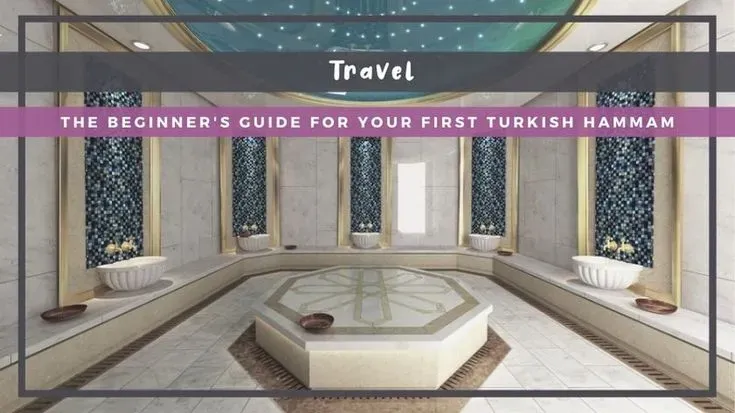
Turkish bath beginner's guide opens with a warm invitation to a centuries-old ritual of heat, steam, and mindful etiquette. In this guide, you’ll learn what to expect and the hammam experience that blends cleansing, social tradition, and relaxation. It also covers how to prepare for a hammam, from hydration to timing, so you feel balanced before entering the steamy rooms. You’ll discover Turkish bath etiquette and practical tips on what to wear in a Turkish bath to stay comfortable and modest. Finally, you’ll find essential hammam safety tips to protect your health while you enjoy the ritual.
Seen from another angle, this tradition is a steam bath ritual rooted in shared space, ceremonial warmth, and exfoliation rather than a simple wash. In academic terms, it is part of the broader bathhouse culture and traditional cleansing ceremony that spans the Mediterranean and Middle East. The language of an authentic hammam includes terms like bathhouse, spa ritual, and ritual cleansing, all pointing to a holistic self-care experience. The overall idea remains to slow the pace, refresh the skin, and connect with a people’s hospitality and ritual heritage.
Turkish bath beginner's guide: what to expect, etiquette, and preparation
Entering a hammam is stepping into a time-honored ritual that blends heat, cleansing, and mindful social customs. The hammam experience unfolds through a gentle sequence of spaces, each contributing to relaxation, purification, and a sense of slow, deliberate movement. As a newcomer, you’ll encounter a welcoming atmosphere, steamed air, and the soothing aroma of soaps and oils that signal the start of a rejuvenating cleanse.
This beginner’s guide to Turkish baths emphasizes Turkish bath etiquette from the outset. You’ll learn how to approach grooming, how to interact with attendants, and how to participate at your own pace. Expect to be offered a pestemal or robe, guidance about the order of services, and opportunities to rest and rehydrate between heat-intensive steps. With proper preparation and a respectful mindset, the ritual becomes a calm, culturally rich experience.
The hammam experience: rooms, heat, and cleansing rituals
A typical hammam journey moves from a warm, comfortable space to progressively hotter rooms, each designed to draw out tension and impurities. You’ll start in a milder area to acclimate, then progress to steam-filled chambers that encourage sweating and relaxation. In these environments, you may lie on a warm marble slab, letting the heat loosen muscles and calm the mind while you sip water or herbal tea.
A defining aspect of the hammam experience is the cleansing ritual, often featuring a kese exfoliation and a traditional soap rub or oil massage. While some places offer staff-led exfoliation, others provide gentler, self-directed options. The massage or cleansing portion should feel balanced—intense enough to refresh the skin, but never painful—followed by a rest period to rehydrate and absorb the soothing warmth.
What to wear in a Turkish bath: attire, modesty, and comfort
Choosing attire for a Turkish bath depends on local customs and the facility’s rules. Many hammams provide a pestemal, a lightweight wrap that promotes airflow and modesty, while others may welcome swimwear or ask you to observe gender-segregated norms in certain areas. If you’re unsure, you can always ask staff for guidance before entering the cleansing spaces.
Whichever option you choose, prioritize comfort and hygiene. Remove jewelry to prevent snagging, wear comfortable footwear in changing areas, and consider layering a light robe for the rest areas if offered. Understanding what to wear in a Turkish bath helps you participate more freely in the ritual while staying respectful of the venue’s etiquette.
How to prepare for a hammam: practical steps for first-timers
Preparation begins long before you step into the steam. Hydration is key, so drink water in the days leading up to your visit and keep a water bottle handy during the session to replenish fluids lost to sweating. Eating a light meal a few hours beforehand helps avoid discomfort in heat and supports stable energy throughout the experience.
A quick pre-visit shower is often expected, and you should avoid heavy lotions or oils that could interfere with cleansing. Pack essential items such as a pestemal or towel, a shower cap if you prefer, and any personal care products allowed by the facility. By organizing these basics, you’ll feel more relaxed and ready to focus on the hammam ritual itself.
Hammam safety tips and aftercare for a relaxing session
Safety should be your top priority in a hammam. Listen to your body, and if you feel dizzy or overheated, step back to a cooler room and drink water. Limit time in the hottest spaces, especially if you’re new to steam therapy, and consult a healthcare professional if you have pregnancy, heart, or respiratory concerns.
Aftercare helps consolidate the benefits of your hammam experience. Hydration remains important, and a short rest period allows your body to normalize after heat exposure. If oils or soaps were used, consider a gentle rinse or additional cleansing after you’ve cooled down. With mindful pacing and proper safety practices, you can enjoy a rejuvenating session while minimizing any post-session discomfort.
Frequently Asked Questions
From the Turkish bath beginner's guide, what should I expect during a typical hammam experience?
A typical hammam experience starts with arrival and welcome, then a warm room, followed by steam and relaxation. You may experience cleansing with a kese (exfoliation), a rinse and optional massage, and a final rest with hydration. While the exact sequence varies by facility, the emphasis is on heat, cleansing, relaxation, and respectful etiquette—you can participate at your own pace.
How to prepare for a hammam according to the Turkish bath beginner's guide?
The guide recommends hydration before, during, and after your visit, a light meal beforehand, and a quick shower to cleanse your skin. Remove jewelry, check what the hammam provides, bring a pestemal or towel, wear comfortable footwear, and enter with a calm, patient mindset.
What to wear in a Turkish bath according to the Turkish bath beginner's guide?
Options typically include a pestemal wrap, a swimsuit, or a light robe, depending on local customs and facility rules. Confirm policy at the entrance, remove jewelry to avoid snagging, and choose modest attire for shared spaces and changing areas.
What Turkish bath etiquette should beginners know, per the Turkish bath beginner's guide?
Know the dress code, respect privacy, practice good personal hygiene, and follow staff guidance on cleansing and exfoliation. Maintain a respectful pace, avoid touching others, and follow tipping norms where appropriate.
What are hammam safety tips every beginner should know, per the Turkish bath beginner's guide?
Listen to your body and step to a cooler area if you feel dizzy or overheated. Limit time in the hottest room, stay hydrated, and consult a healthcare professional if you’re pregnant or have heart or respiratory conditions. Patch-test new products and inform staff of any skin concerns.
| Topic | Key Points |
|---|---|
| What is a Turkish bath (hammam)? | A communal cleansing ritual emphasizing heat, steam, exfoliation, and massage; aims to relax, improve circulation, refresh the skin, and extend hospitality. |
| Typical hammam session flow | Arrival, warm room, steam, scrub (kese), rinse/massage, rest; overall arc is heat, cleansing, and relaxation. |
| Etiquette for beginners | Dress code (pestemal or swimsuit), privacy, hygiene, staff-led exfoliation, pace, consent, tipping. |
| Preparation checklist | Hydration, light meals, quick pre-hammam shower, remove jewelry, bring towel, adopt a calm mindset. |
| What to wear | Pestemal wrap or swimsuit; follow facility policy; robe for rest areas; remove jewelry. |
| Safety considerations | Listen to your body; limit time in hot rooms; consult a professional if pregnant or with heart/respiratory/skin conditions. |
| Benefits and expectations | Relaxation, improved circulation, detox through sweating, refreshed skin, mental reset; experiences vary by facility. |
| Variations and misconceptions | Regional differences; gender-segregated spaces in some places; not just a beauty spa; nudity policies vary; not always intense. |
Summary
Turkish bath beginner's guide opens a doorway to a centuries-old ritual where heat, steam, and mindful etiquette come together to cleanse and renew the body and mind. In this descriptive overview of the Turkish bath beginner's guide, you’ll learn what to expect, how to prepare, how to dress, and how to participate respectfully, so you can approach the hammam with confidence and curiosity. From the warm welcome and progressively hotter rooms to exfoliation, massage options, rest, and hydration, this guide outlines practical steps, etiquette tips, safety considerations, and benefits. Whether visiting a spa, traveling, or exploring a new culture, the Turkish bath experience can be deeply relaxing and rejuvenating when approached with awareness and care.